Glass greenhouses are premium agricultural facilities featured by long service life, stable structural performance, and strong climate adaptability, widely used for commercial horticulture, seedling cultivation, and experimental planting. According to agricultural microclimate research, excessive indoor humidity is one of the top threats to greenhouse crops, easily triggering fungal diseases, poor pollination, fruit cracking, and even yield reduction of over 30% in severe cases. Mastering scientific dehumidification methods is essential to stabilize greenhouse microclimate and guarantee high crop yields.
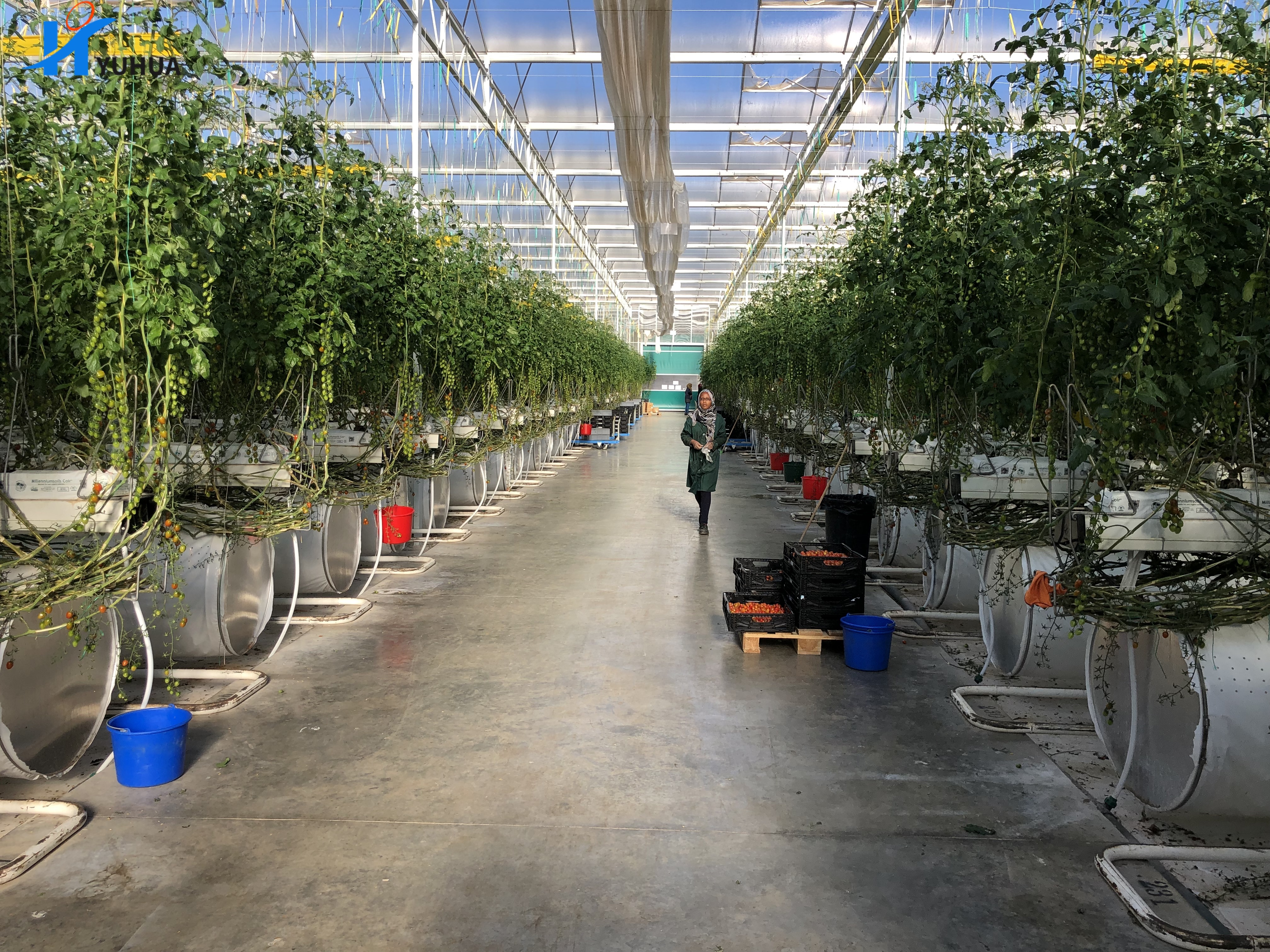
Below are eight efficient and industry-recognized dehumidification solutions suitable for all types of glass greenhouses:
1. Reasonable Ventilation
Ventilation is the most cost-effective dehumidification measure. Real-time ventilation removes indoor water vapor and exchanges humid air with dry outdoor air. Growers need to avoid blind ventilation in low-temperature environments. Rapid temperature drop will cause crop stress; timely close vents to maintain stable temperature and humidity balance inside the greenhouse.
3. Plastic Film Mulching
Film mulching is a key passive dehumidification technique. It covers exposed soil to greatly inhibit water evaporation, preventing sharp humidity rise after irrigation. This method stabilizes the greenhouse microclimate and cuts down the incidence of humidity-induced crop diseases.
4. Collaborative Heating and Ventilation
Humidity is closely linked with indoor temperature. Proper heating raises air temperature and reduces relative humidity effectively. The standard operation is to heat the closed greenhouse to about 30°C for moisture activation, then ventilate for 1 hour for dehumidification. Repeat the operation appropriately after 3 to 4 hours to maintain optimal humidity levels.
5. High-Hygroscopicity Insulation Curtains
Installing breathable and hygroscopic insulation curtains blocks internal condensation formation. It absorbs excess water vapor in the air, prevents dew from dripping on crop leaves, and creates a dry and clean growing environment to reduce leaf rot and mildew risks.
6. Natural Physical Moisture Absorption
Lay natural hygroscopic materials such as straw and quicklime between crop rows. These materials efficiently absorb indoor fog and suspended water vapor, serving as an economical and auxiliary dehumidification method for small and medium-sized greenhouses.

7. Soil Tillage Dehumidification
Regular shallow tillage breaks soil capillary pores, blocking the upward transport of groundwater. It restrains continuous soil water evaporation, fundamentally reducing the source of indoor humid gas and assisting long-term humidity control.
8. Improve Overall Light Transmittance
High-quality greenhouse glass boosts indoor light transmittance, raises ambient temperature evenly, and accelerates water vapor discharge via regular ventilation. optimized greenhouse light environment Optimized light environment improves crop photosynthesis and enhances plant resistance to humid environment stress.
Premium Yuhua Greenhouse Glass for Stable Microclimate
Light transmittance directly determines greenhouse temperature and humidity stability. Yuhua professional diffused glass and AR-coated greenhouse glass Yuhua professional diffused glass and AR-coated greenhouse glass support haze customization (5/10/20/30/40/50/70/75) with a maximum light transmittance of 99%. Cooperating with global top greenhouse brands including Havecon, Van Der Hoeven and Kubo, Yuhua glass delivers uniform soft light, stable indoor temperature, and auxiliary humidity control, perfectly matching commercial greenhouse high-yield planting needs.
If you need professional greenhouse glass professional greenhouse glass selection guidance and customized microclimate optimization solutions, feel free to consult our team via message or email.

