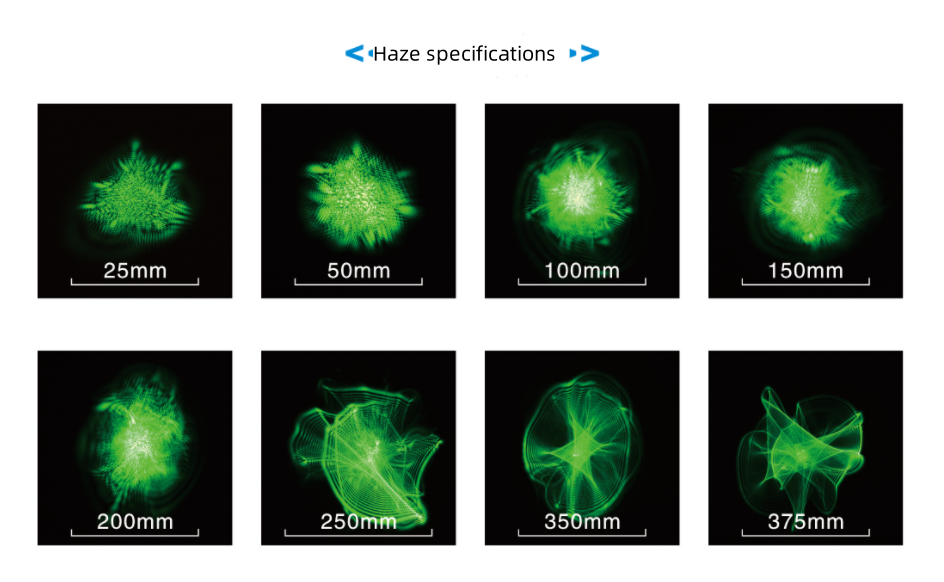
The mainstream choices for glass greenhouse covering materials are diffusing glass and Sol-gel glass. These types of glass are mainly available in the following specifications: 1. Light transmittance: 91.5%,96.5%,97.5% (Recommended) For high-standard greenhouses, Diffuse Glass with 2AR with 97.5% light transmittance is recommended. Diffuse Glass with 91.5% light transmittance is also sufficient. Alternatively, you can choose Sol-gel Diffuse Glass with 2AR with 96.5% light transmittance.In addition, Yuhua also offers Normal clear glass,Mid iron clear glass, low iron clear glass. 2. Thickness: 4mm (Recommended), 5mm 4mm glass is recommended. Compared to 5mm, 4mm glass has 1% higher light transmittance, and it is also cheaper. For other photovoltaic glass applications, Yuhua can also provide 2 mm or 3.2 mm. Other glass thicknesses can also be customized. 3. Haze: 70 haze (Recommended), 50 haze, 30 haze Currently, the haze specification used in Dutch greenhouses customers are mostly 70 haze, with 50 haze and 30 haze also being common. 4. Dimensions: 2500mm X 1600mm (It is recommended to consult with the factory to inquire about sheet shortages, size design, etc.) The dimensions of greenhouse diffuser glass and anti-reflective glass need to be discussed with the Yuhua glass factory in advance before...