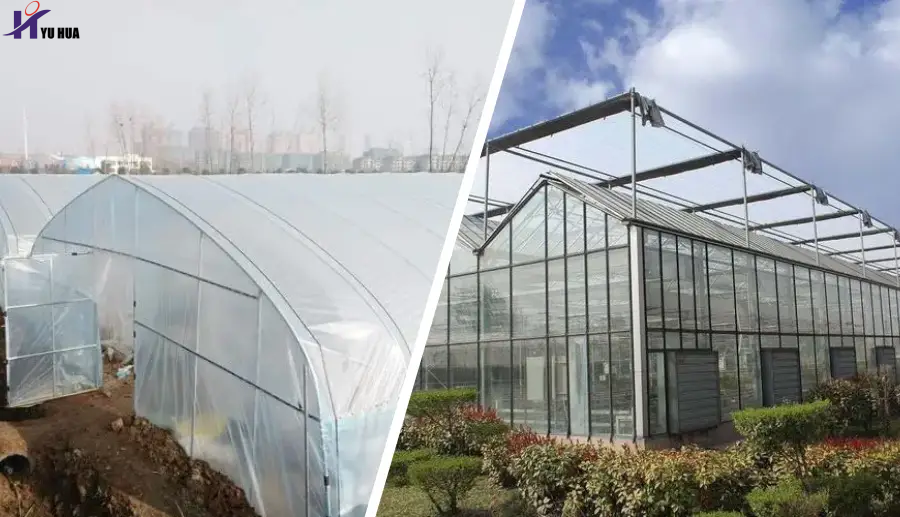
Choosing the right glazing material is critical for greenhouse performance, plant yield, and long‑term cost efficiency. Glass and polycarbonate are the two most popular greenhouse construction materials, each delivering unique strengths in light transmission, durability, insulation, and maintenance. For both commercial growers and hobby gardeners, understanding the data‑backed differences between glass and polycarbonate greenhouses is essential to match material selection with local climate, budget, and planting goals. Glass remains the premium choice for professional greenhouses, primarily due to its exceptional long‑term durability and stable light transmission. According to professional greenhouse industry tests, high‑quality horticultural greenhouse glass offers a light transmission rate of 90–92%, higher than standard twin‑wall polycarbonate’s 80% average rating. Unlike polycarbonate, glass is UV‑inert, meaning it will never yellow, fade, or lose clarity under long‑term sunlight exposure, supporting consistent plant growth for decades. Its service life can reach 20–30+ years with routine maintenance, far exceeding the 10–15 year lifespan of UV‑coated polycarbonate panels. Beyond light performance, glass provides reliable UV filtration and stable thermal performance for controlled growing environments. It filters harmful excessive ultraviolet radiation while retaining beneficial photosynthetic light, creating a safe, balanced growth condition for vegetables, flowers, and seedlings. A key aesthetic advantage also makes glass...