A greenhouse, also known as a glass house, is a controlled‑environment structure built to protect off‑season or delicate plants against extreme temperature shifts. It creates stable growing conditions for crops that cannot survive local outdoor weather, ranging from small backyard sheds to large‑scale commercial cultivation facilities. Walls and roofs rely on transparent glazing materials to capture sunlight, which forms the core foundation of plant production.

Plants require water, nutrients, suitable temperature and light for healthy growth. Greenhouses capture solar radiation to maintain favourable internal microclimates, and glass has long been the benchmark glazing material for this purpose. Modern horticultural or greenhouse glass is specially engineered for agricultural covers. According to industry research from Wageningen University, glass outperforms polycarbonate and plastic films in photosynthetically active radiation (PAR) transmission, a key metric for crop yield. Premium Yuhua greenhouse glass achieves up to 99% light transmittance with anti‑reflective treatment, minimizing light reflection to deliver maximum sunlight to crops. Unlike polymer alternatives, glass retains optical clarity across its service life; plastic glazings gradually scratch, turn hazy and lose light output under long‑term UV exposure.
High light transmittance raises internal air temperature during cold periods and supports photosynthesis. Solar radiation consists of infrared, visible and ultraviolet wavelengths. Greenhouse glass allows most visible light and UVA to pass through while largely blocking harmful UV‑B radiation; solar energy is absorbed by soil and plant foliage inside, converted into heat to sustain greenhouse microclimate conditions. Standard greenhouse glass panels are commonly produced in 3 mm thickness for commercial projects.
## Regular vs Tempered Greenhouse Glass: Which Is Better?
Commercial growers constantly compare standard annealed glass against tempered safety glass for greenhouse builds. Traditional 3 mm annealed horticultural glass is budget‑friendly, assembled using overlapping panes. However, overlapping joints create gaps where moss and algae accumulate, requiring frequent maintenance. When broken, annealed glass produces large, sharp shards that pose safety risks to workers and crops.
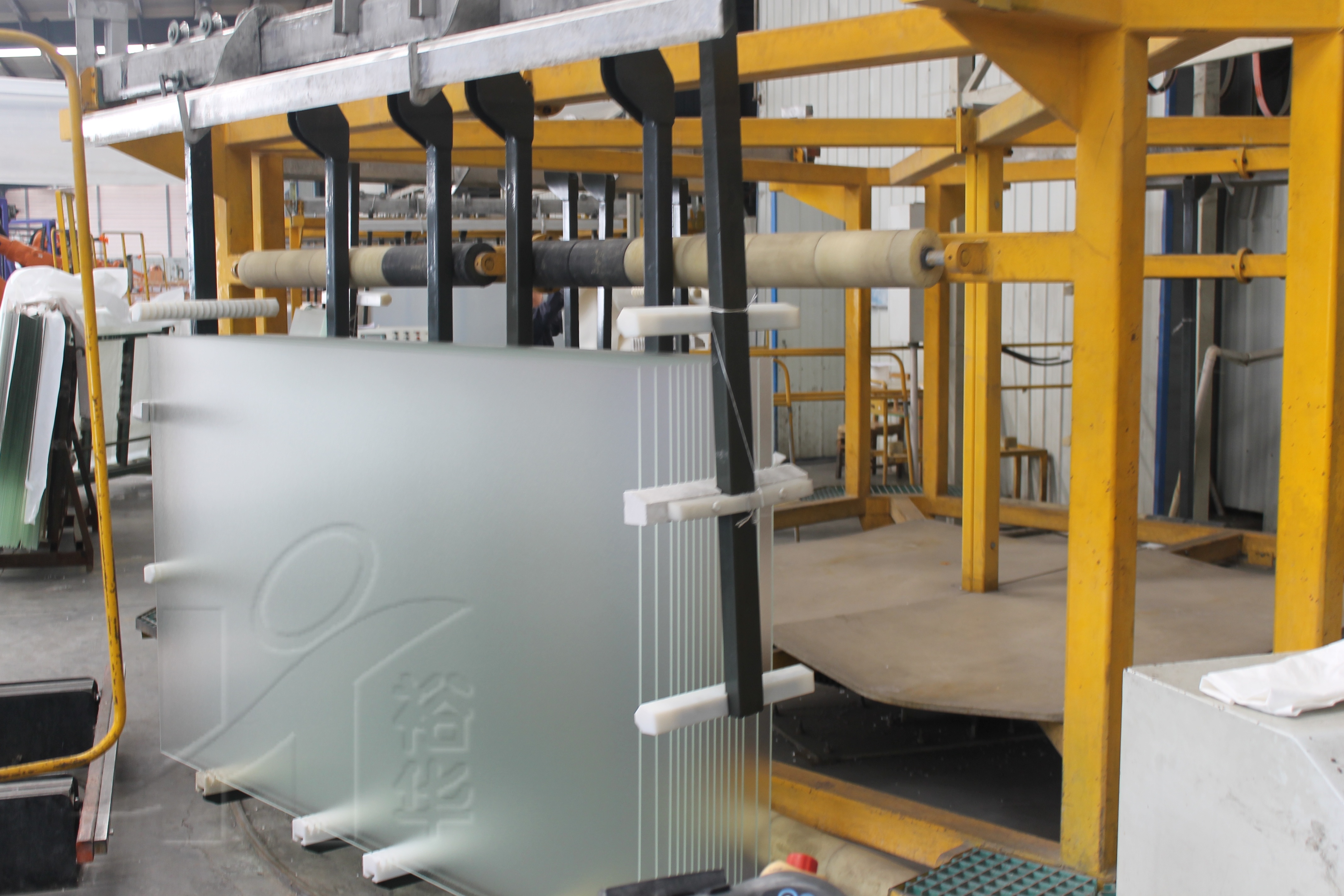
Tempered horticultural glass is heat‑treated for enhanced mechanical performance, available in 3 mm and 4 mm thickness options. It supports long continuous panes without overlapping seams, keeping roof surfaces clean and reducing biological build‑up. Though heavier than polycarbonate, tempered glass delivers excellent wind resistance for most commercial sites. After tempering treatment, the material develops internal tension for improved impact performance; it withstands moderate impacts yet may fail under hard concentrated hits such as golf or cricket balls. A critical safety advantage: shattered tempered glass breaks into small, blunt fragments, drastically cutting injury hazards for on‑site staff. As production scales expand, market prices for tempered greenhouse glass continue to become more cost‑competitive.
From a whole‑life‑cost perspective, glass ranks among the most durable greenhouse building materials, with a service life reaching 50 years with proper routine cleaning and maintenance. While initial capital expenditure is higher than polycarbonate panels, glass functions as a permanent glazing solution without progressive yellowing or light decay. Single, double and triple glazing configurations are available to tune insulation and ventilation performance for different regional climates, further widening its advantages over plastic‑based covers.
Modern horticulture demands custom light profiles for diverse crops. Yuhua greenhouse glass supplies eight haze grades: 5/10/20/30/40/50/70/75, enabling growers to select either high‑clarity direct light or soft diffused light to avoid leaf sunscald, matching tomatoes, leafy greens and ornamental flower requirements. Yuhua® provides certified horticultural glass for well‑known international greenhouse enterprises including Havecon, Kubo and Van Der Hoeven. For product specifications, project quotations and technical support, reach us via overseas@hnyxlc.com.
